
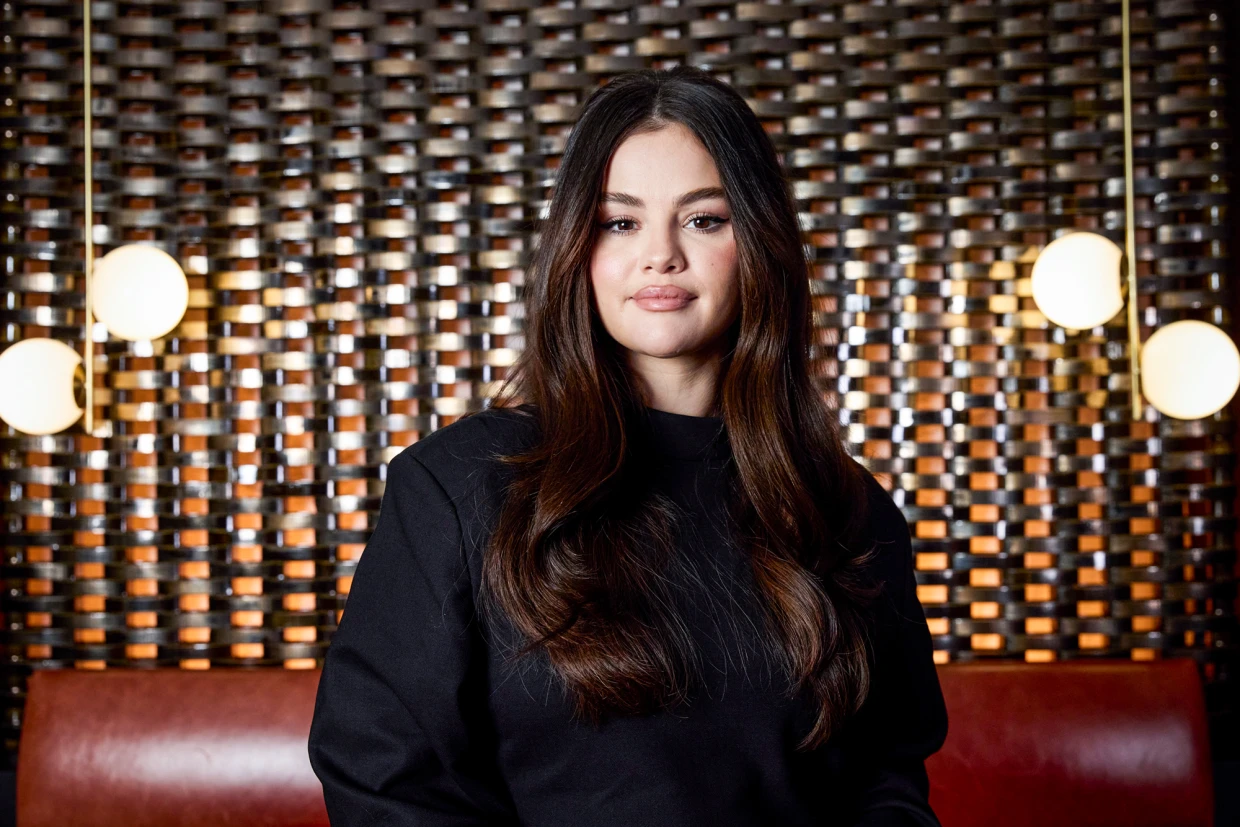
Selena Gomez children news
Alternative family formation paths expose how medical transparency intersects with public narrative construction in ways traditional parenting timelines don’t. Selena Gomez children news centers not on existing children but on disclosed plans involving surrogacy or adoption due to medical limitations on carrying pregnancy. This represents a fundamentally different category of coverage: aspirational rather than current, shaped by health disclosure that many public figures would keep private.
Gomez recently married producer Benny Blanco and has openly discussed both her desire for children and the medical constraints she faces. She’s stated she cannot carry her own children due to health conditions including lupus and bipolar medication requirements.
What makes this worth examining is how medical limitation disclosure functions strategically, how it shapes public response, and how alternative family formation gets framed in celebrity contexts versus general population experiences.
The Strategic Calculus Behind Medical Disclosure And Narrative Control
Here’s the bottom line: choosing to disclose medical limitations represents a calculated tradeoff. Gomez revealed information most people would consider deeply private in a major magazine profile, creating a specific narrative framework before speculation could establish alternative explanations.
What I’ve learned is that preemptive disclosure often serves defensive purposes. By controlling initial framing, she prevents speculation about why pregnancy hasn’t occurred or why alternative methods might be used. The revelation establishes medical necessity rather than preference.
From a practical standpoint, this also generates sympathy that might not exist otherwise. Audiences respond differently to medical constraint than to elective choice. The disclosure likely shifts public reception of future family formation decisions, creating understanding rather than judgment.
Why Timing Matters When Aspirational Plans Become Public Discussion
Look, the reality is that Gomez has discussed future children extensively despite not currently having any. She’s mentioned previous plans to adopt by age 35 if not in a relationship, excitement about future motherhood, and specific details about her younger sister.
This level of detail about unrealized plans is unusual. Most people discuss family planning privately until actual steps are taken. Making aspirations public creates accountability pressure and invites ongoing speculation about timing and progress.
What actually works in high-visibility contexts is maintaining ambiguity on personal timelines while acknowledging general direction. Gomez has leaned toward specificity, which increases audience investment but also escalates pressure if timelines don’t materialize as suggested.
The Context Behind Alternative Family Methods And Public Perception Shifts
Gomez has mentioned both surrogacy and adoption as possibilities, framing them as “huge possibilities” and calling it a “blessing” that these options exist. This language does specific rhetorical work: it normalizes alternatives and presents them as equally valid rather than lesser options.
From a practical standpoint, this helps shift broader cultural conversation. Celebrity adoption of alternative methods increases mainstream acceptance and reduces stigma. The visibility creates permission for others facing similar constraints to pursue these paths without shame.
But there’s also risk. Every update or lack of update becomes news. If she pursues surrogacy, the surrogate’s privacy becomes complicated. If she pursues adoption, the process faces scrutiny most adoptive parents don’t experience. Visibility taxes every stage of the journey in ways standard paths don’t face.
How Recent Marriage Changes Narrative Framework Around Family Timing
The recent marriage to Blanco shifts the context substantially. Previous statements about solo adoption plans if not partnered by 35 are now superseded by joint family planning within an established relationship.
This demonstrates how quickly celebrity family narratives evolve. Statements made under one set of circumstances become outdated within months as life circumstances change. Yet those earlier statements remain in circulation, creating confusion about current status versus historical planning.
The data tells us that audiences struggle to maintain temporal context on celebrity information. Old statements get referenced as current, creating false impressions about present thinking or plans. Managing this requires periodic updates that refresh context, but those updates themselves generate new coverage cycles.
Platform Economics And Why Private Plans Become Ongoing Content
What’s fascinating about Selena Gomez children news is how much coverage exists despite no children currently being present. The aspirational nature hasn’t limited interest; if anything, it’s created sustained speculation that generates continuous content.
This reflects platform economics: uncertainty generates more engagement than finality. A baby announcement is one news cycle. Ongoing speculation about when, how, and through what method produces months of coverage across multiple outlets.
I’ve seen this pattern across industries: sustained ambiguity has higher aggregate attention value than definitive resolution. From a business perspective, this means there’s economic incentive for continued coverage regardless of actual new information, which in turn maintains pressure on Gomez to either provide updates or deal with increased speculation filling the information vacuum.