
5 Best Fashion Designers in Aberdeen – Explore collections with a distinctive perspective
A designer’s point of view is easier to recognise when you look beyond a single striking outfit. For fashion designers in Aberdeen, compare original design work, its local connection and how you can actually buy or commission it. Three designers with documented Aberdeen links were confirmed for this article, so two unverified names have not been added. The selection is not a formal ranking, and a runway appearance is not proof of a permanently available retail collection.
1. Temitayo Alabi, Tblaque
Temitayo Alabi is identified as the designer behind Aberdeen-based Tblaque. Reporting on the label’s Creative Gap project connects its work with West African textiles, including Aso-Oke, and a presentation at Aberdeen Central Library. This gives a specific starting point for understanding the label’s perspective rather than relying on a vague description of cultural influence. Tblaque’s own website shows garments including African Bubu gowns. Ask about the current collection or commission process instead of assuming an earlier exhibition piece remains available to order.
The interesting question is how a textile shapes the garment, not simply whether the print attracts attention. Ask which material is proposed for your piece and why. If you have gathered fashion references through Chic Spotlights, identify whether you are responding to colour, volume or the textile itself; those are different instructions for a design conversation.
For example, say you want an expressive outfit for a family celebration but also hope to wear one element afterwards. Ask whether the proposed design works as separates or depends on being worn as a complete look. That is a practical brief, not a request to reproduce a photographed exhibition garment.
2. Beverley Tricker, Tricker Bridal
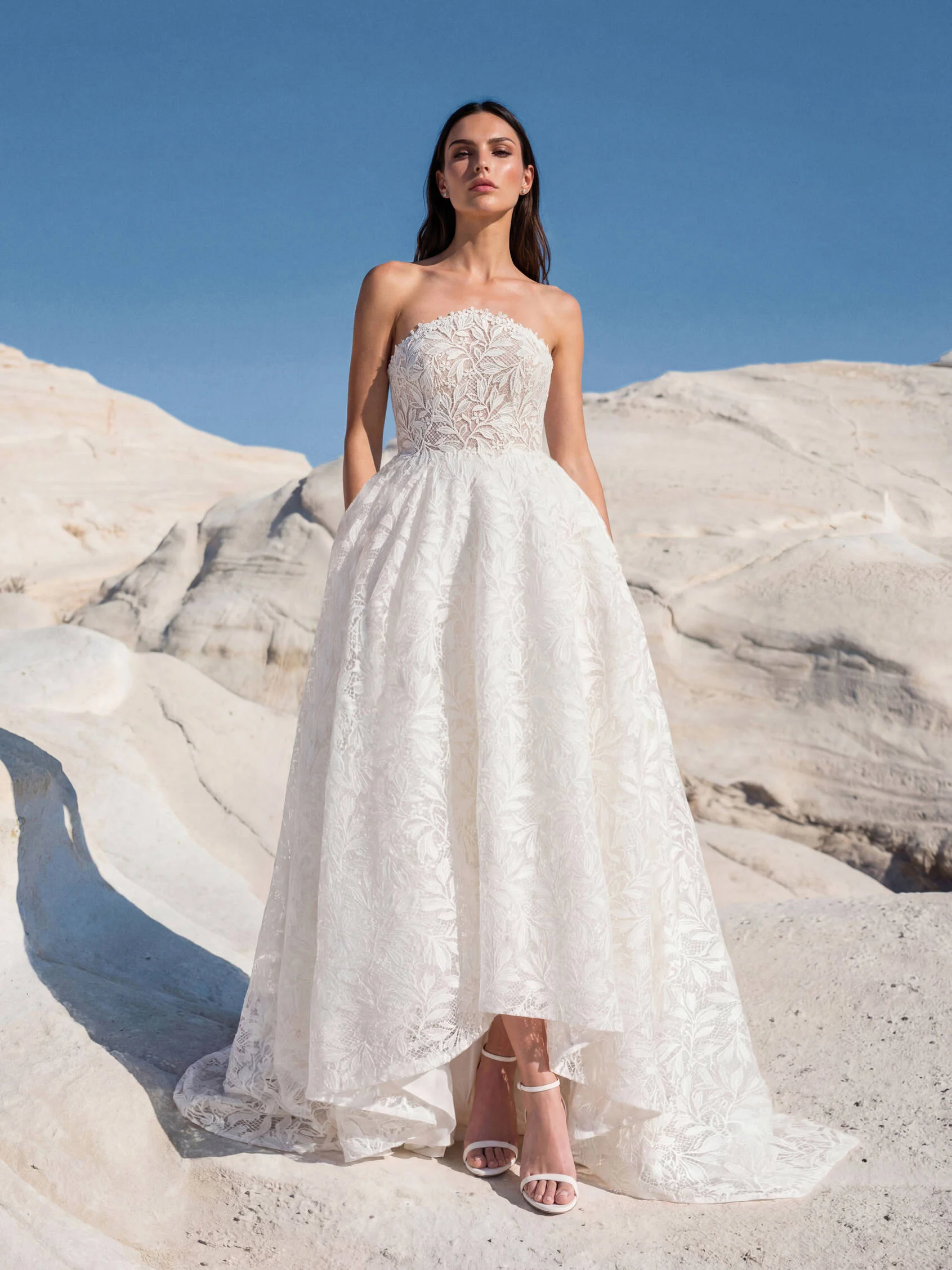
Beverley Tricker’s Aberdeen business combines bespoke wedding dresses with vintage, sample and pre-owned gowns. Reporting on Tricker Bridal distinguishes locally created bespoke work from dresses sourced and restored for resale. That distinction matters if your interest is the designer’s own work: a boutique photograph alone does not establish who designed every gown. Explain whether you want an original commission, an existing dress or restoration-led work. Each route has a different starting point, and none should be mistaken for the others when discussing the finished garment.
Think of the difference as commissioning a portrait versus restoring a painting you already love. Both require skill, but the creative brief and existing constraints differ. A reference image collected through Styles Index should help explain a neckline or mood, not erase that distinction.
Ask what the first consultation will establish and what you need to decide beforehand. If an older gown is part of the plan, have its condition assessed before building the entire design around it. A sentimental fabric may matter more to you than a new silhouette, and that priority belongs in the first discussion.
3. Lydia Kemunto Cutler, Kemunto Fashions
Lydia Kemunto Cutler identifies herself as the owner and designer of Kemunto Fashions in Aberdeen and as the founder of Aberdeen Fashion Week. Independent local reporting includes Kemunto in the event’s runway programme. Her roles should remain distinct: organising a fashion event does not make her the designer of every collection shown there. Look for material clearly attributed to Kemunto when assessing her design work, then ask which pieces reflect the current offer and whether purchasing involves an existing garment or a new commission.
A useful decision rule is to separate three things on any event page: the organiser, the collection label and the person credited with the clothing. Browsing Styles Archive may help you place visual references, but attribution needs to come from the designer or the original presentation information.
For a hypothetical £500 clothing allowance, a £400 garment would leave £100 for any other agreed costs. These are example numbers, not Kemunto’s prices. Ask what the quote includes before committing the whole allowance to an initial design idea, particularly where fittings or later changes need discussion.